Quick answer
Old banknotes may still be valid, but age alone cannot answer the question. Identify the issuer and exact series, then check the issuing central bank for legal-tender status and redemption rules. A withdrawn note may retain face value, while a valid note may still be refused by a shop or exchange bureau. Check collector value before redeeming it.
Check the status before you spend or exchange the note
Are old banknotes still valid? Some are, some are redeemable but no longer spendable, and others have lost monetary value. The design year is only a clue. The issuer’s current rules decide whether the note remains legal tender, can be exchanged at face value, has a deadline, or survives only as a collectible.
Do not begin with a currency exchange counter or an online listing. First identify the country or monetary authority, denomination, series, and any printed date. Then find the official central-bank page for that exact issue. Commercial banks, shops, and bureaux may refuse a valid but unfamiliar note even when the issuer still honors it.
Pause before redeeming anything old. Face value, exchange value, and collector value are separate numbers. A withdrawn note can be worth more to a collector than the issuer will pay, while a common note may be worth only its official redemption amount. Photograph both sides and preserve the note until you know which case you have.
Separate four different banknote statuses
Collectors often use "valid" to cover several different questions. A note can remain legal tender and still be difficult to spend because a cashier has never seen it. A note can leave circulation and remain redeemable at the central bank. It can also lose both payment and redemption value but retain a market as a historical object.
Read the authority’s exact terms. "No longer issued" usually says only that new examples are not entering circulation. "Withdrawn from circulation" often means shops no longer need to handle the series. "Redeemable without limit" preserves face value through a stated channel. "Demonetized" usually means the issuer no longer owes face value, though the legal term varies by country.
Use the table to classify the note before choosing a next step. Central banks can change deadlines, eligible series, identification requirements, and payment methods. Save the official page and the date you checked it before mailing a note or planning a trip around redemption.
| Status | What it usually means | Best next check |
|---|---|---|
| Current legal tender | The issue can still settle payments under local rules | Check merchant and machine acceptance |
| Valid but unfamiliar | The note is current in law but rarely seen in shops | Ask the issuer or a local bank about exchange |
| Withdrawn but redeemable | Normal circulation ended, yet an official channel still pays face value | Confirm channel, deadline, documents, and condition rules |
| Demonetized or unredeemable | The issuer no longer pays face value | Research collector value and preserve the note |
Identify the issuer and exact series first
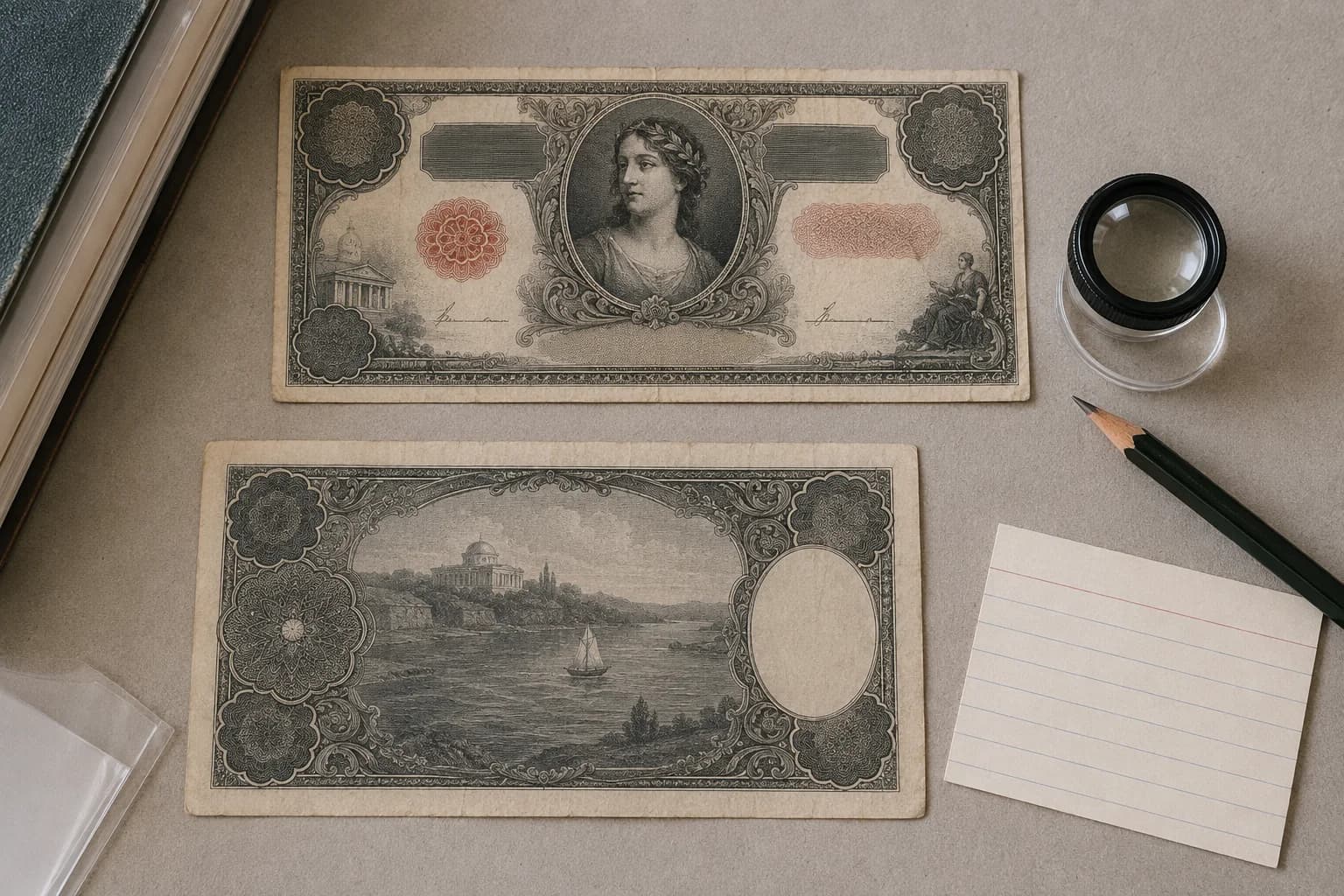
A country name is not always enough. Banknotes may come from a national central bank, a former state, a regional currency union, or several authorized note-issuing banks. Political borders and currency names can outlive one another. Record the issuing authority exactly as printed, along with denomination, portrait, main colors, language, serial prefix, signatures, and visible date.
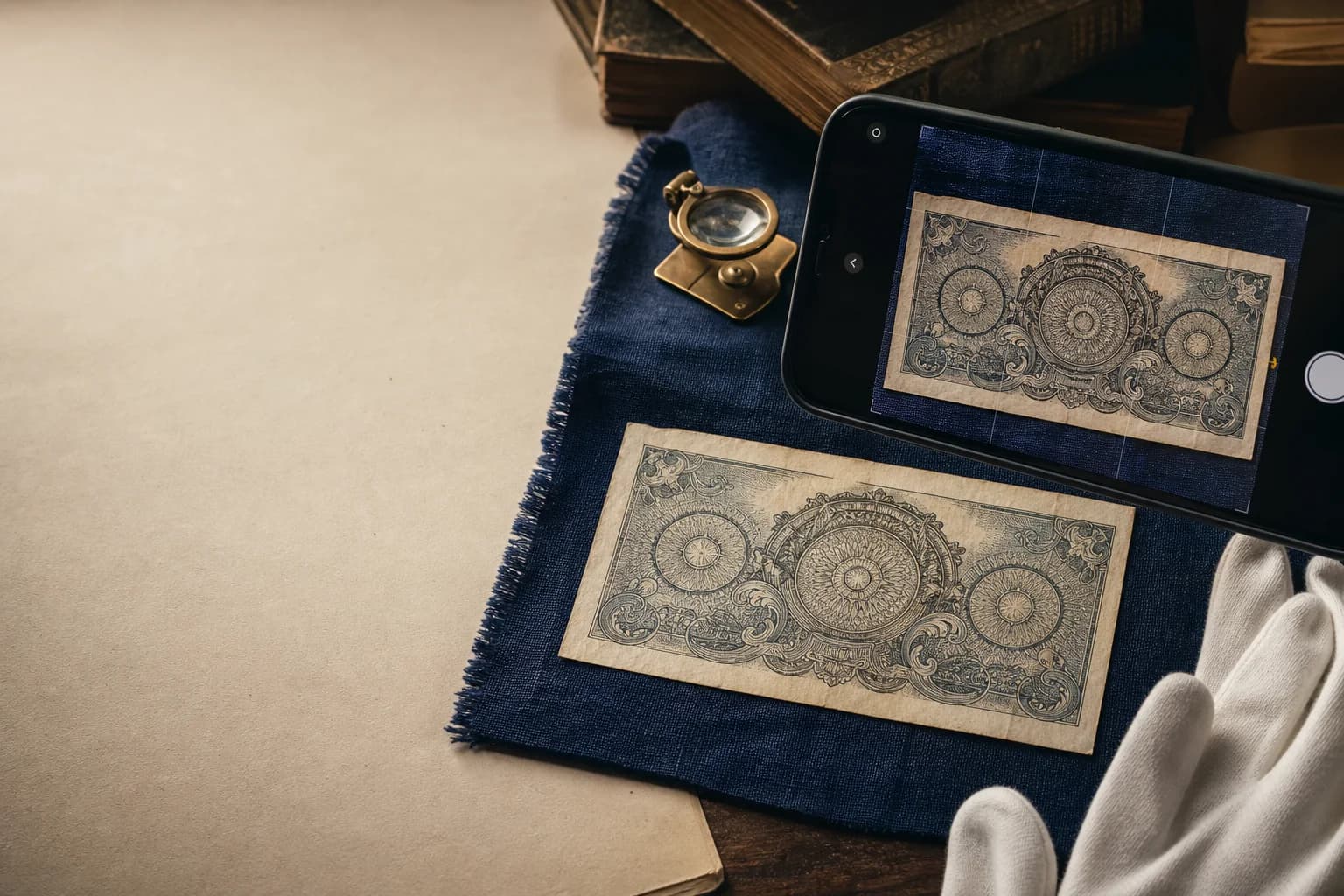
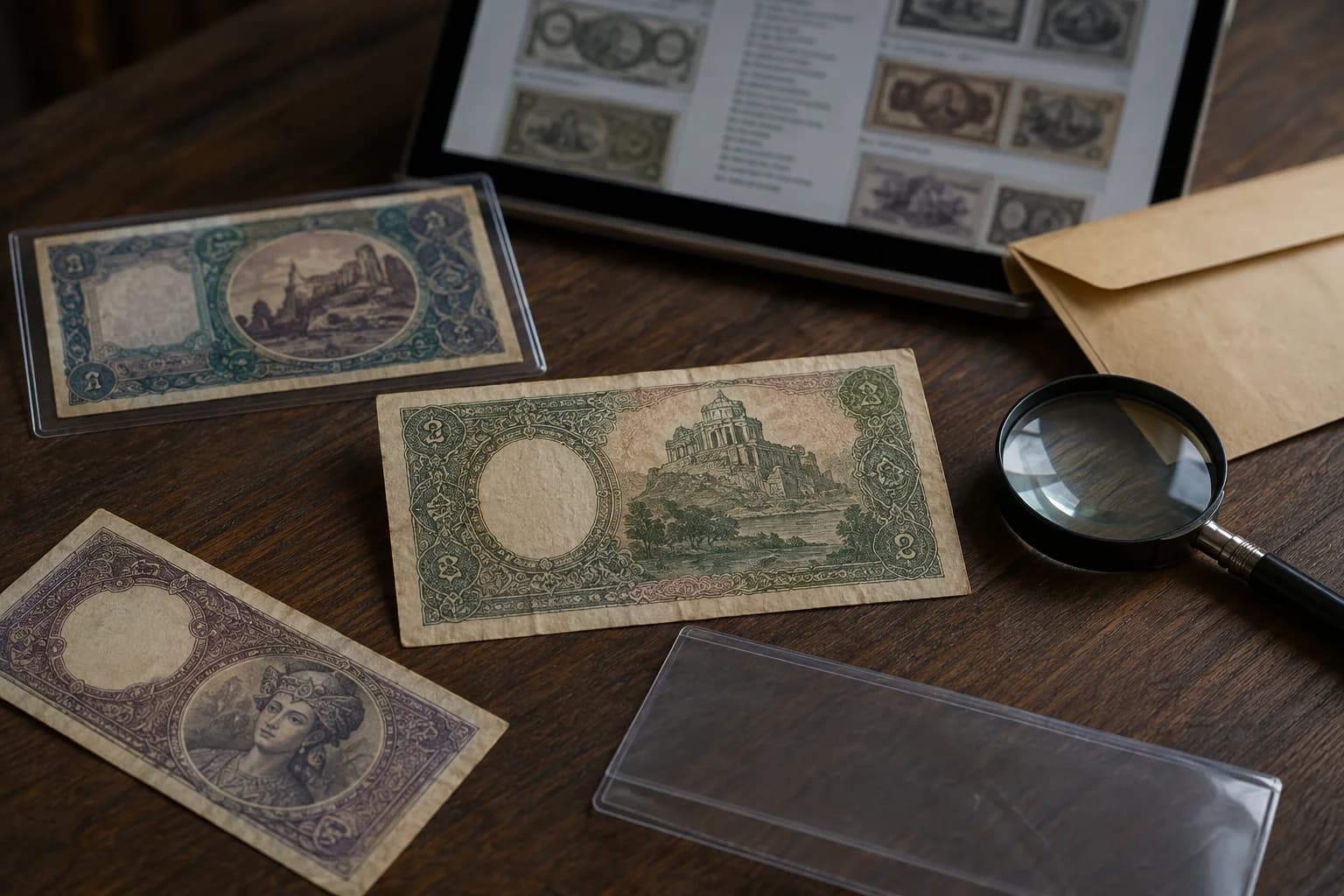
Use the photo identification workflow when the script or portrait is unfamiliar. Photograph the full front and back in even light, then add close-ups of the issuer, date, signatures, and serial number. Money AI can organize visible clues and suggest an issue, but confirm every important field against an official archive or collector catalog.
Be cautious with dates. A printed date may refer to an authorizing law, design series, signature term, or calendar system rather than the year the individual note was printed. If you cannot separate those meanings, use the foreign currency identifier guide and search the authority’s illustrated note list before checking redemption.
Use the issuer as the source of truth
Search the official central-bank or monetary-authority site for “current banknotes,” “withdrawn banknotes,” “redeem old notes,” and the series name. Prefer a page that names eligible denominations, deadlines, locations, postal rules, identity documents, fees, and treatment of damaged notes. A general government page can help, but the issuer’s current redemption notice is the strongest practical source.
Policies differ sharply. The Federal Reserve says old-design United States currency remains legal tender regardless of issue date. The Bank of Japan lists both current designs and earlier valid notes. The Reserve Bank of Australia says previously issued Australian banknotes remain legal tender, though unfamiliar designs may be hard to spend. None of those rules can be transferred to another currency.
Other authorities separate payment status from face value. The Bank of Canada removed legal-tender status from several old denominations in 2021 but still redeems them. The Bank of England exchanges withdrawn notes without a deadline through specified channels. The European Central Bank says first-series euro notes remain legal tender and retain their value. Former national currencies in the euro area follow country-specific deadlines.
Do not confuse legal tender with everyday acceptance
Legal tender is a legal category, not a promise that every shop, bank, hotel, or exchange bureau must take every note. The details depend on the jurisdiction and the transaction. A business may set payment terms, refuse a large denomination, reject cash entirely, or decline a design its staff and machines cannot verify. The Bank of Canada and Reserve Bank of Australia both explain that legal-tender status does not force every merchant to accept cash.
Machine rejection proves even less. Vending equipment and deposit machines may recognize only current designs or common denominations. Wear, folds, ink, and outdated sensors can also cause rejection. Do not test a scarce or fragile banknote repeatedly in a machine. Ask a bank or the issuer about a manual check instead.
Foreign exchange adds another layer. A bureau outside the issuing country may buy only recent series because it must resell or repatriate the cash. It may apply a lower rate, charge a fee, or reject the note. That commercial decision does not change the note’s official status at home. Compare the net offer with official redemption and collector value.
Check collector value before accepting face value
Redemption usually pays only the official face value or conversion amount. It does not pay for rarity, condition, unusual serial numbers, scarce signatures, errors, or historical demand. Before handing over an old note, identify the exact variety and follow the old banknote value guide. Use recent completed sales, not optimistic listings.
Compare like with like. Match issuer, denomination, series, date, signatures, prefix, replacement status, catalog number, condition, and any problem. Subtract selling fees, shipping, insurance, currency conversion, and the chance that a buyer returns or disputes the item. A small asking-price premium may disappear after costs.
If collector value clearly exceeds redemption value, preserve the note and research a suitable selling route. If the note is common and redemption is available, exchange may be sensible. If evidence is weak, keep it safely until you can get a second opinion. An irreversible redemption should not be the first step in an uncertain attribution.
Prepare a safe exchange without changing the note
Read the current instructions before traveling or posting anything. Confirm who accepts the note, whether you need an account, which identity and address documents apply, maximum amounts, payment methods, processing time, fees, and whether the service accepts applicants abroad. A bank’s branch counter may follow different rules from the central bank’s postal service.
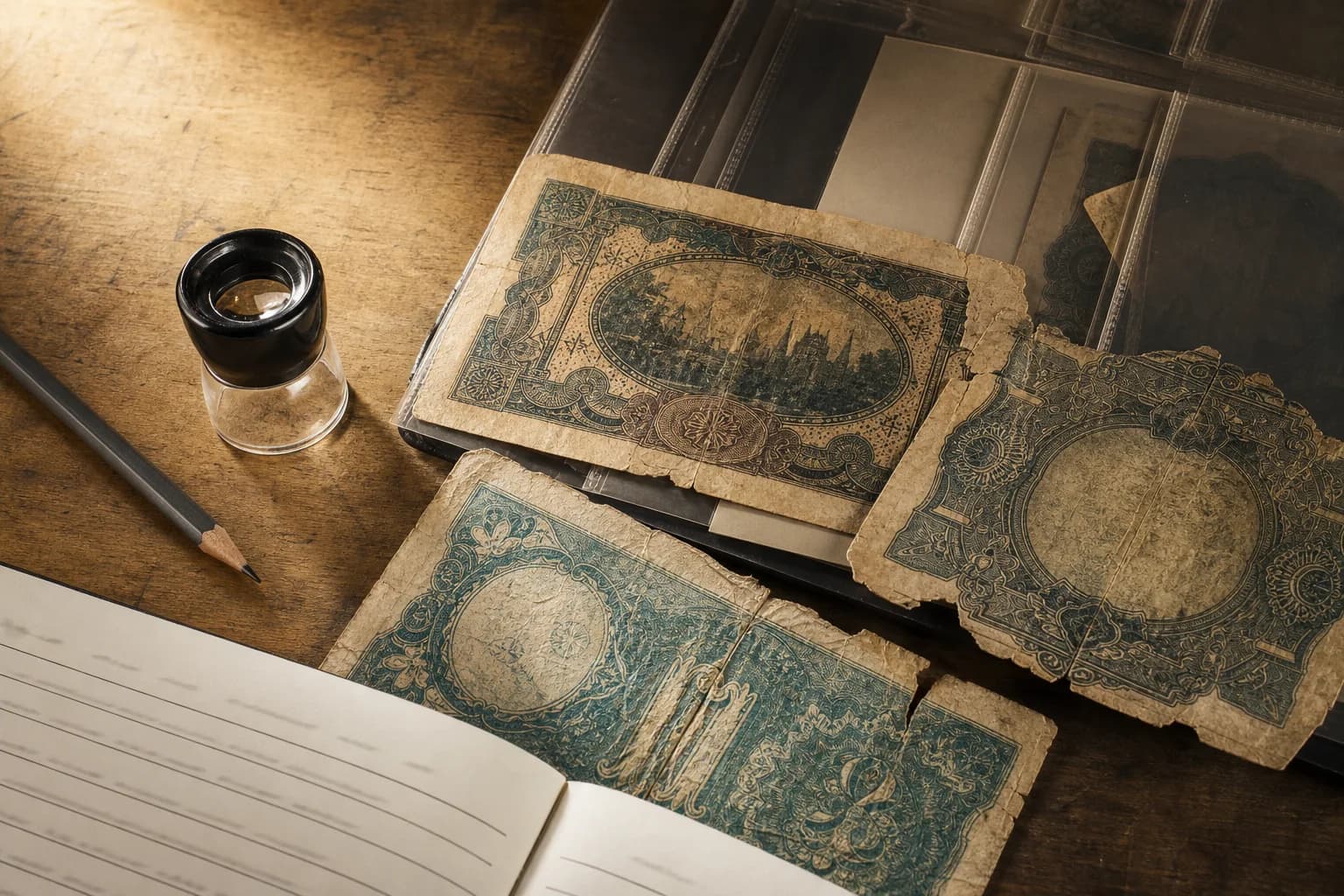
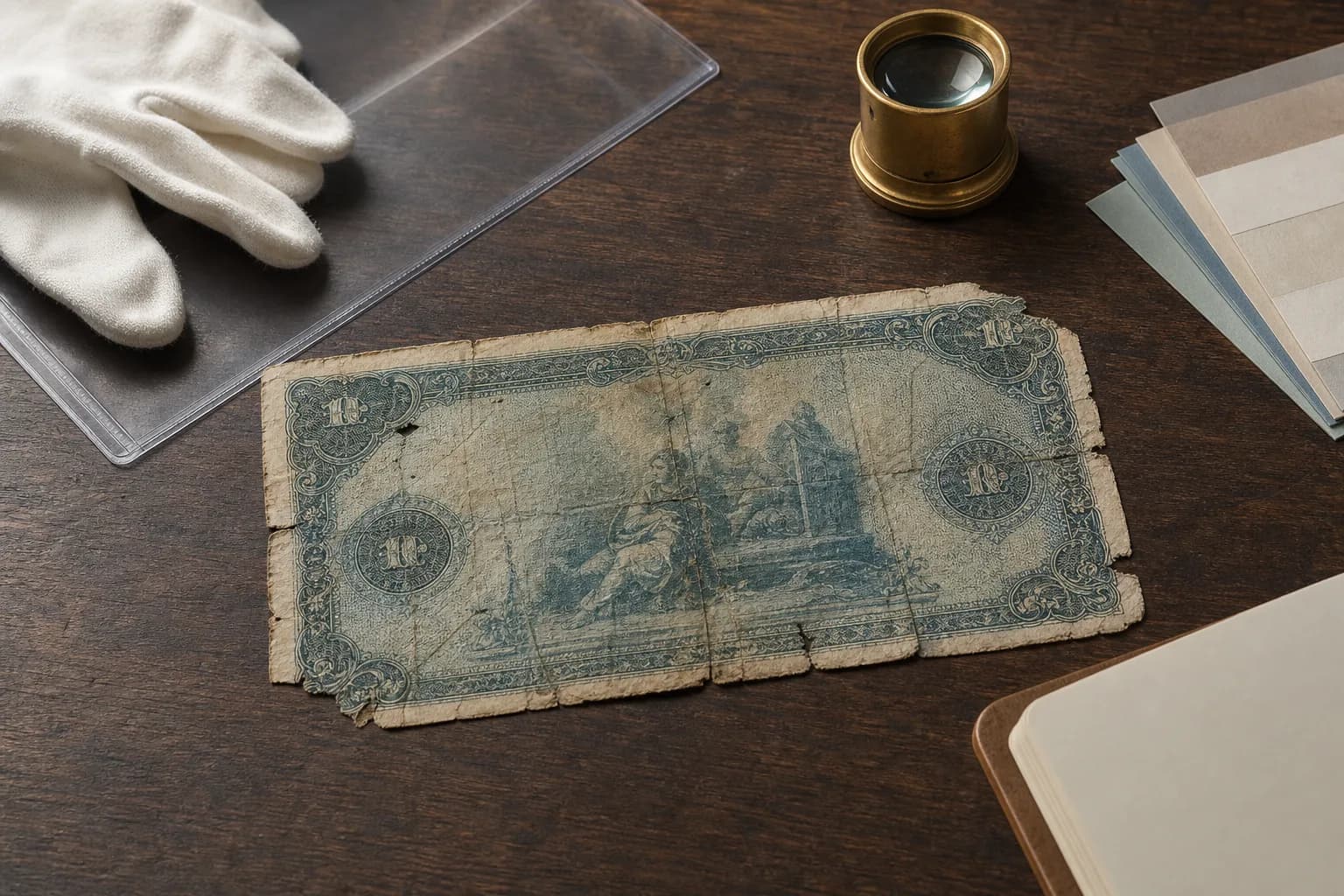
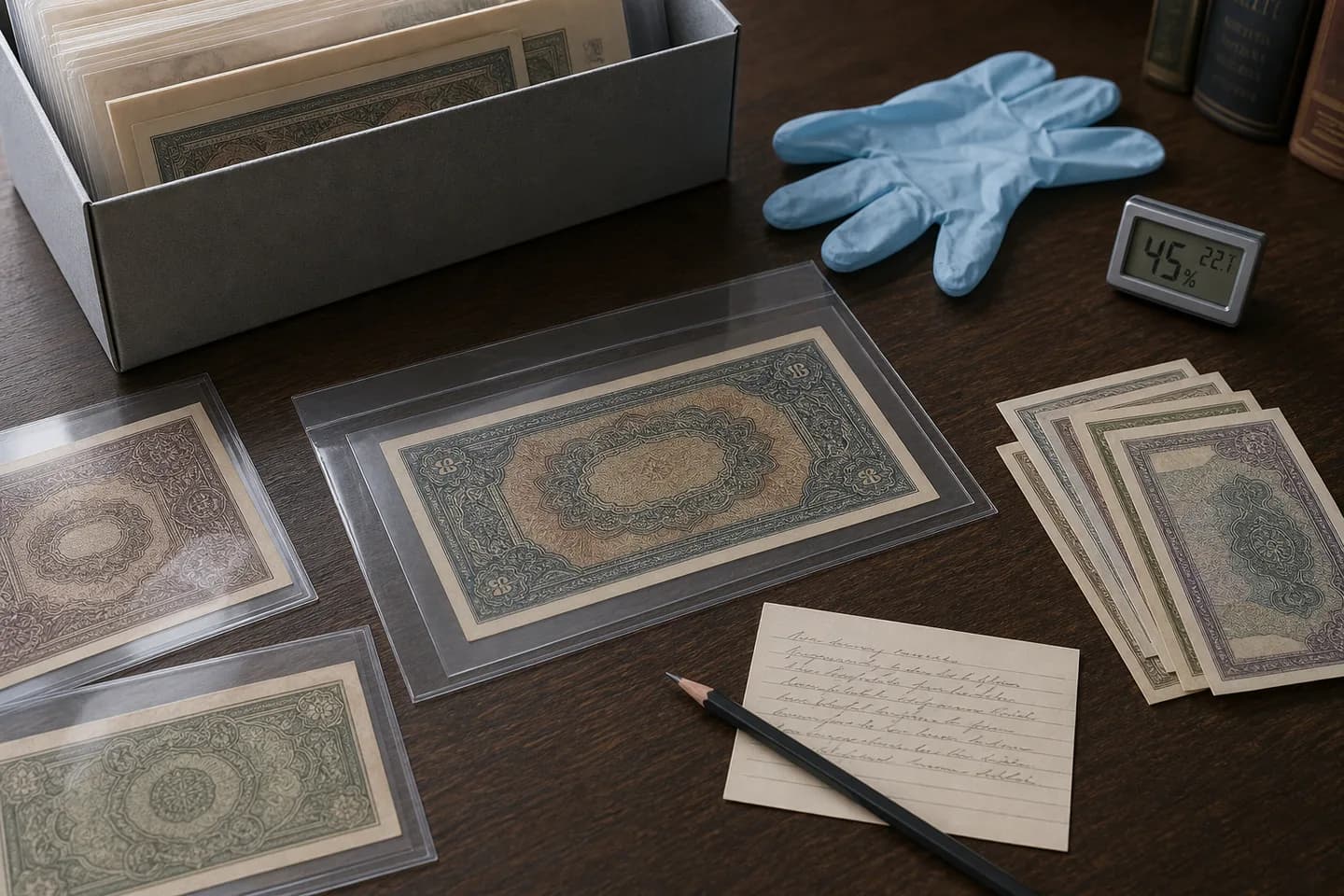
Never clean, press, tape, trim, laminate, erase, or chemically test a note to make it easier to exchange. Those changes can lower collector value and complicate authenticity or damage assessment. If the note is torn, incomplete, moldy, burnt, or contaminated, use the damaged-banknote guide and follow the issuer’s separate damaged-currency procedure.
For mail redemption, photograph both sides, record the serial number and dimensions, keep copies of every form, use the required packaging, and choose tracking and insurance that actually cover currency. Some carriers restrict cash or negotiable items. Do not conceal the contents or make a false customs declaration. If the rules are unclear, ask the issuer before sending.
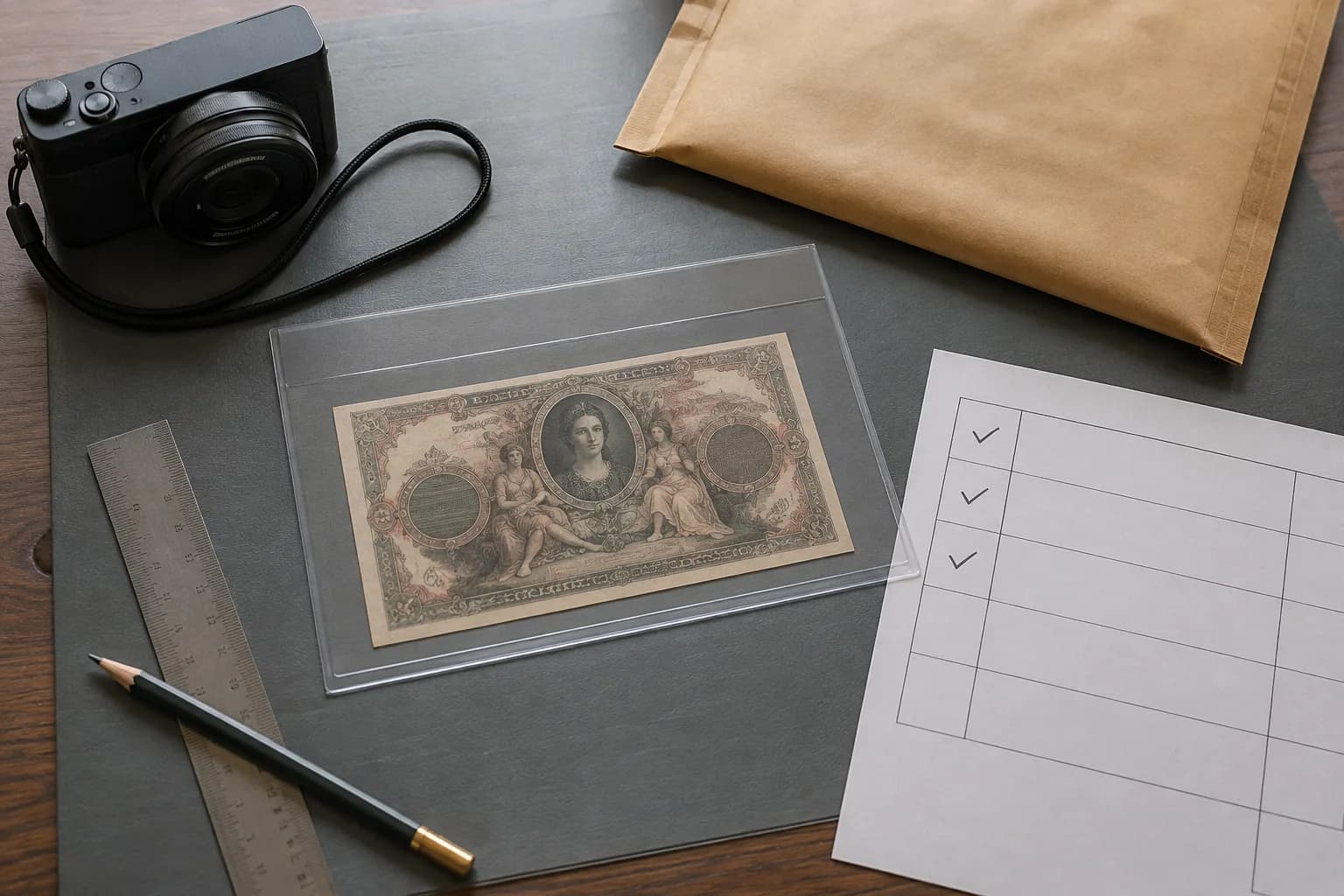
Handle inherited and mixed foreign notes in batches
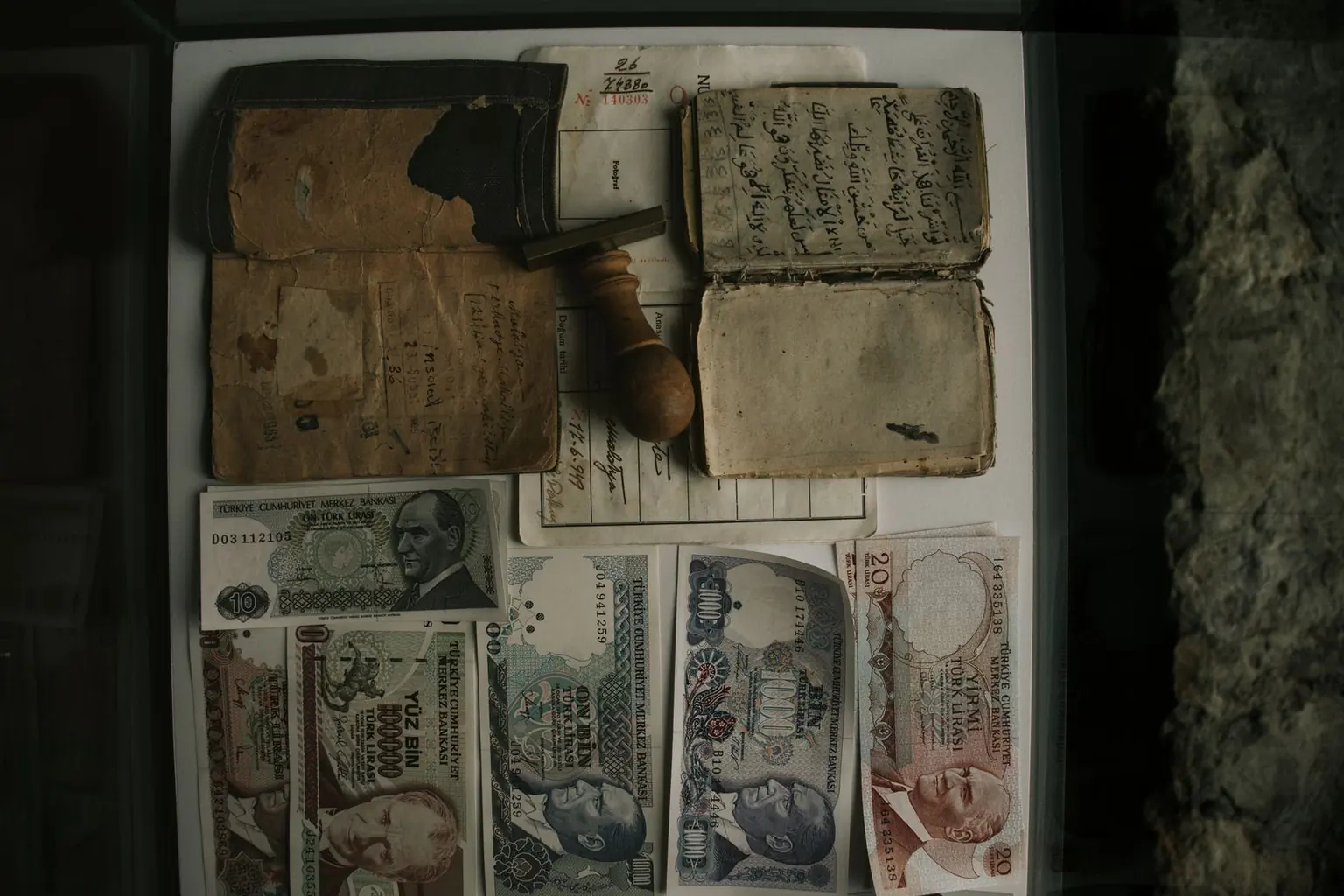
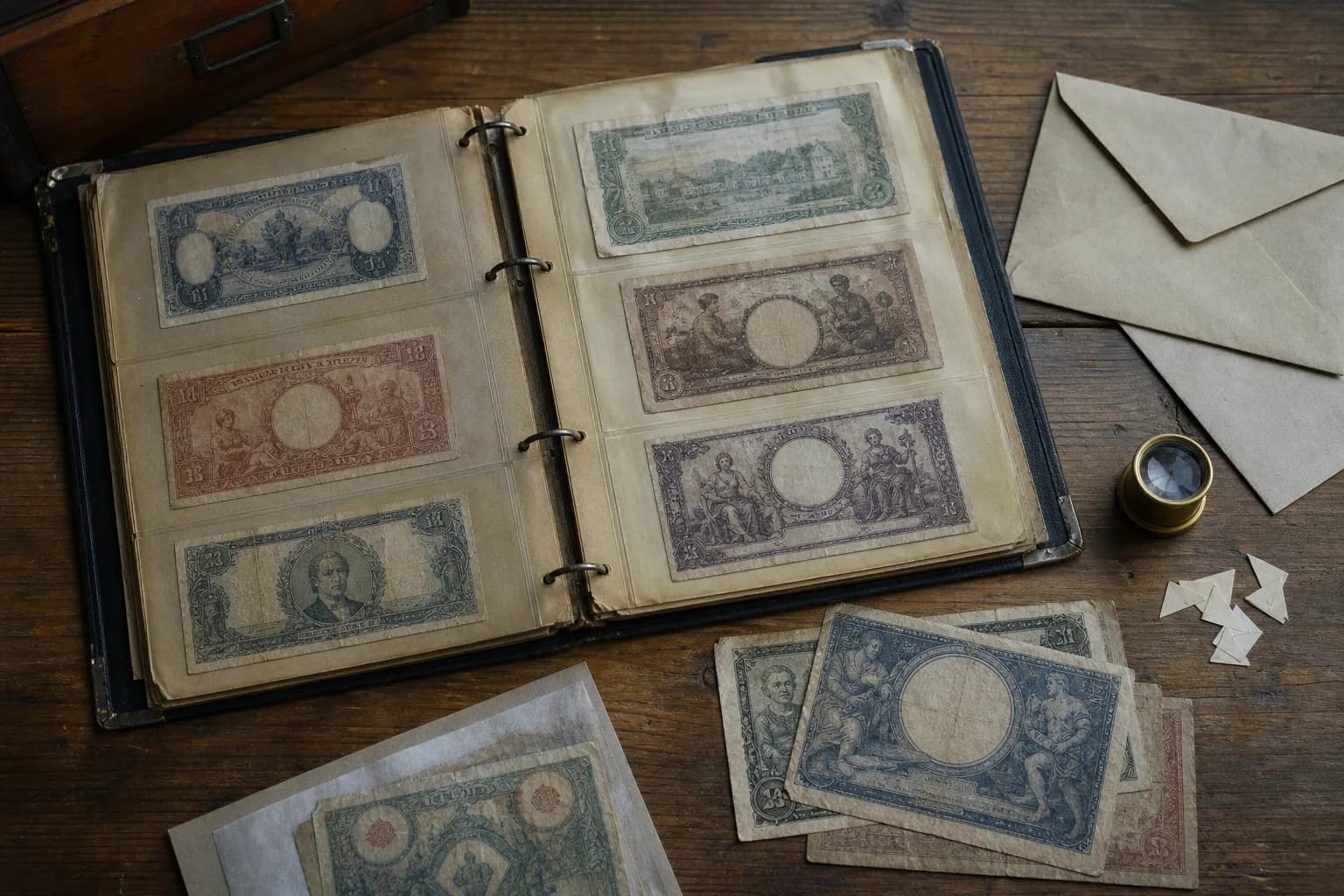
A wallet or envelope with one currency is manageable. An inherited album with dozens of countries needs triage. Keep the original order, labels, receipts, and envelopes. Group notes by issuer and currency without removing them from old holders until you know whether the holder is safe. The inherited collection plan explains how to preserve context before individual research.
Build a simple list with country or authority, denomination, likely series, quantity, apparent condition, official status, redemption route, deadline, estimated face value, and possible collector interest. Mark uncertain identifications instead of forcing an answer. Research currencies with active deadlines or substantial face value first, then scarce historical issues.
Do not assume an ordinary commercial bank can process a mixed international batch. Many accept only selected current currencies and may reject coins, obsolete notes, minor denominations, or damaged paper. Specialized buyers may take more currencies but at a discount. Ask for an itemized quote and retain anything whose identity or collector value remains unresolved.
Follow a seven-step validity and exchange check
A repeatable process prevents the two expensive mistakes: surrendering a collectible for face value and paying fees to ship an unredeemable note. Work from identity to official status, then from official value to collector value. Stop whenever the evidence does not match the note in front of you.
Record the date and URL for each official rule because currency programs change. If a deadline is close, contact the issuer while you continue the collector check. If the authority offers no public answer, use its official contact channel or a recognized numismatic organization. Do not let a forum claim or exchange-service advertisement stand in for the issuer.
Choose among spend, deposit, redeem, preserve, sell, or seek specialist help only after all seven steps. The right answer can differ for two notes from the same country because series, denomination, condition, and collector demand differ. Keep your photographs and notes so the next owner can repeat the decision.
- Photograph the complete front and back.
- Identify the issuer, denomination, series, and date clues.
- Find the issuer’s current legal-tender and withdrawal notice.
- Confirm redemption channel, deadline, documents, and fees.
- Check condition and exact collector variety.
- Compare net redemption value with realistic collector value.
- Document the decision before spending, mailing, or selling.
Frequently asked questions
Do old banknotes expire when a new design appears?
Not automatically. Some issuers let old and new designs circulate together. Others withdraw a series from payments but keep an exchange window, sometimes indefinitely. Identify the exact issuer and series, then check the central bank’s current notice. A shop refusing an unfamiliar design does not by itself prove that the note expired.
Can a bank exchange any old foreign banknote?
No. Commercial banks and exchange bureaus set their own accepted currencies, series, denominations, condition rules, fees, and customer requirements. The issuing central bank is the best source for official redemption rights, but it may require an in-country visit, a local bank account, identity documents, or a postal process.
What is the difference between withdrawn and demonetized banknotes?
A withdrawn note has left normal circulation, but it may remain redeemable at face value. A demonetized note has lost its monetary value under the issuer’s rules, although it can still have collector value. Authorities do not always use these words consistently, so rely on the specific redemption statement and deadline.
Why would a shop refuse an old banknote that is still legal tender?
Staff may not recognize the design, machines may reject it, or the business may limit accepted cash and denominations. Legal tender also has a narrower legal meaning than many people assume, and local rules differ. Try an issuing bank or an authorized redemption channel instead of arguing from the note’s appearance.
Should I exchange an old banknote or sell it to a collector?
Check the exact variety, condition, rarity, and recent comparable sales before redemption. If collector value is safely above the net exchange value and selling costs, preservation or sale may make sense. If it is common, damaged, and redeemable, exchanging it can be the simpler choice. Never clean it first.
Can Money AI tell whether an old banknote is still valid?
Money AI can help identify the issuer, denomination, series, date, and visible clues from photographs. It is not an official legal-tender or redemption checker. Confirm the result on the issuing central bank’s current website, especially before travel, shipping, sale, or exchange.
Sources and further reading
Explore the primary references used to prepare this collector guide.
- Bank of Canada: About legal tender and redeeming older notes
- Bank of England: Exchanging old banknotes
- European Central Bank: Current euro banknotes
- European Central Bank: Exchanging former national cash
- Federal Reserve: Old-design United States notes
- Bank of Japan: Valid old-design banknotes
- Reserve Bank of Australia: Redeeming old banknotes